%2Ffit-in%2F250x250%2Fguide_websites%2F123021%2Fimages%2F1775633614338albaanglersguidelogowithbass.png&w=1920&q=100)
/users/9eb76df9-be37-49c6-9326-5cec3c31bff8/ratecard/4-mnpq2txy.jpg)
%2F300x300%2Fusers%2F9eb76df9-be37-49c6-9326-5cec3c31bff8%2Fratecard%2F4-mnpq2txy.jpg&w=256&q=75)
%2F300x300%2Fusers%2F9eb76df9-be37-49c6-9326-5cec3c31bff8%2Fimages%2Falba-tx-crappie-fishing-success-2927.jpg&w=256&q=75)
%2F300x300%2Fusers%2F9eb76df9-be37-49c6-9326-5cec3c31bff8%2Fimages%2Falba-texas-bass-fishing-catch-2711.jpg&w=256&q=75)
%2F300x300%2Fusers%2F9eb76df9-be37-49c6-9326-5cec3c31bff8%2Fimages%2Fbass-catch-alba-texas-fishing-2331.jpg&w=256&q=75)
%2F300x300%2Fusers%2F9eb76df9-be37-49c6-9326-5cec3c31bff8%2Fimages%2Falba-tx-crappie-catch-2435.jpg&w=256&q=75)
%2F300x300%2Fusers%2F9eb76df9-be37-49c6-9326-5cec3c31bff8%2Fimages%2Falba-texas-bass-fishing-catch-2424.jpg&w=256&q=75)
%2F300x300%2Fusers%2F9eb76df9-be37-49c6-9326-5cec3c31bff8%2Fimages%2Fbass-catch-alba-texas-lake-2694.jpg&w=256&q=75)
%2F300x300%2Fusers%2F9eb76df9-be37-49c6-9326-5cec3c31bff8%2Fimages%2Fbass-fishing-alba-texas-lake-2503.jpg&w=256&q=75)
%2F300x300%2Fusers%2F9eb76df9-be37-49c6-9326-5cec3c31bff8%2Fimages%2Falba-texas-crappie-double-catch-2788.jpg&w=256&q=75)
%2F300x300%2Fusers%2F9eb76df9-be37-49c6-9326-5cec3c31bff8%2Fimages%2Fbass-fishing-alba-texas-success-2444.jpg&w=256&q=75)
%2F300x300%2Fusers%2F9eb76df9-be37-49c6-9326-5cec3c31bff8%2Fimages%2Fcrappie-catch-alba-texas-fishing-2412.jpg&w=256&q=75)
Lake Fork Electronics Training Alba Anglers
 Lake Fork
What you will be catching:
 Crappie
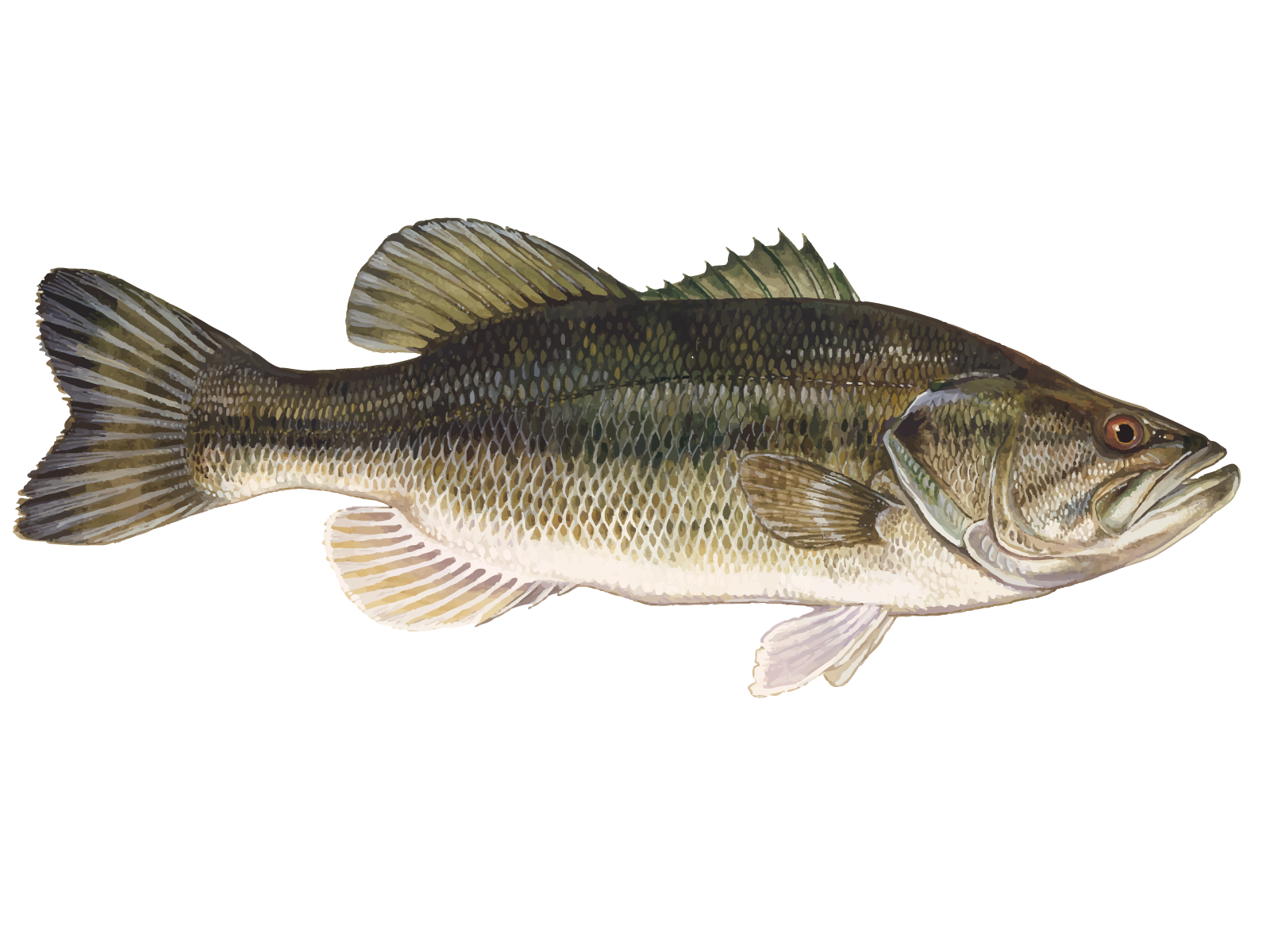 Largemouth Bass
- This 2-hour electronics training session on Lake Fork teaches you how to master Livescope and sonar like a pro. Starting at 5 PM, your guide works with up to 4 people, showing you how to read screens, spot fish, and understand underwater structure. You'll get hands-on practice with advanced electronics while learning the techniques that separate good anglers from great ones. All equipment is provided along with ice, water, and a cooler. Perfect for anyone who wants to stop guessing and start fishing smarter with modern technology. You'll need a valid Texas fishing license, but Alba Anglers covers everything else for this practical skills session.
Trip Pricing and Availabilities:
Lake Fork Electronics Training - Master Your Sonar
Want to stop guessing where the fish are and start finding them consistently? This 2-hour electronics training session on Lake Fork will change how you fish forever. I've been guiding these waters for years, and I can tell you that understanding your electronics is the difference between going home with stories about "the one that got away" and actually putting fish in the boat. We'll get you comfortable with Livescope, sonar, and all the tech that intimidates most anglers. By the time we're done, you'll be reading those screens like a pro and locating bass and crappie with confidence.
What to Expect on the Water
We meet up at 5 PM when the evening bite starts picking up and the lake settles down from the day's boat traffic. This isn't your typical fishing trip where we just throw lines in the water and hope for the best. Instead, we're diving deep into the technology that separates weekend warriors from serious anglers. I'll have all the latest electronics fired up and ready to go - Livescope, traditional sonar, GPS mapping, the whole nine yards. We'll spend our time moving around different parts of Lake Fork, hitting various structures and depth changes so you can see how fish behavior changes throughout the day. The beauty of this training is that it's hands-on learning. You're not just watching me work the electronics; you're getting behind the wheel and learning to interpret what you're seeing on those screens.
Reading Screens Like a Pro
Most anglers look at their sonar and see a bunch of squiggly lines and dots. After our session, you'll see fish, structure, thermoclines, and bottom composition. We start with the basics - understanding what different returns mean on traditional 2D sonar, then work our way up to the advanced stuff like Livescope. I'll show you how to distinguish between bass, crappie, and baitfish on the screen, plus how to identify the structure that holds fish. We'll cover sensitivity settings, frequency adjustments, and all those menu options that most people never touch. Lake Fork has incredible underwater structure - submerged trees, creek channels, humps, and points - and knowing how to use your electronics to navigate this underwater landscape is game-changing. By the end of our time together, you'll understand why some spots hold fish and others don't, and more importantly, how to find similar productive areas on your own.
Species You'll Want to Hook
Largemouth bass are the crown jewel of Lake Fork, and for good reason. This lake consistently produces some of the biggest bass in Texas, with fish regularly pushing 8, 9, even 10 pounds. These giants love the abundant cover and forage that Lake Fork provides. During our electronics training, you'll learn to spot bass holding tight to structure - they show up as distinct arches or blobs depending on your sonar settings. Bass behavior changes throughout the day and seasons, but they're almost always relating to some kind of structure. Spring finds them shallow for the spawn, summer pushes them to deeper ledges and creek channels, fall brings them back up chasing shad, and winter sees them hugging deep structure. What makes bass fishing so addictive here is that you never know when that next cast might connect with a true trophy. The electronics training gives you the edge to consistently find where these bass are holding instead of just hoping to stumble across them.
Crappie fishing on Lake Fork is absolutely phenomenal, especially when you know how to use your electronics to locate schools. These fish travel in groups and suspend at specific depths, making them perfect for sonar work. Crappie show up as tight clusters on your screen, often looking like clouds of dots suspended in the water column. They're structure-oriented fish, loving submerged trees, brush piles, and creek channels. Spring brings some of the best crappie action as they move shallow to spawn, but year-round fishing can be excellent when you understand how to use your electronics to find them. What's great about targeting crappie with modern electronics is that once you locate a school, you can often catch multiple fish from the same spot. They're also fantastic eating, making them a favorite target for families and anglers who want to bring home dinner. During our training, you'll learn to recognize crappie signatures on different types of sonar and understand the depths and structures they prefer during different times of year.
Time to Book Your Spot
This electronics training session fills up fast because anglers quickly realize the value of understanding their technology. Whether you just bought a new boat with electronics you don't understand, or you've been fishing for years but never learned to maximize your sonar, this training will pay dividends every time you hit the water. Lake Fork's reputation as a world-class fishery means nothing if you can't find the fish, and that's exactly what we'll teach you to do. The session includes all equipment, ice, water, and cooler, so all you need to bring is your valid Texas fishing license and eagerness to learn. Don't spend another day on the water wondering what you're missing - book this training and start fishing smarter, not harder.